 EN
EN

Nuus
Meta ontsteek ’n honderdmiljard-dollar-spoor, maar worstel met ’n 50%-teruggawe-tempo — Waar lê die worteloorsoek?
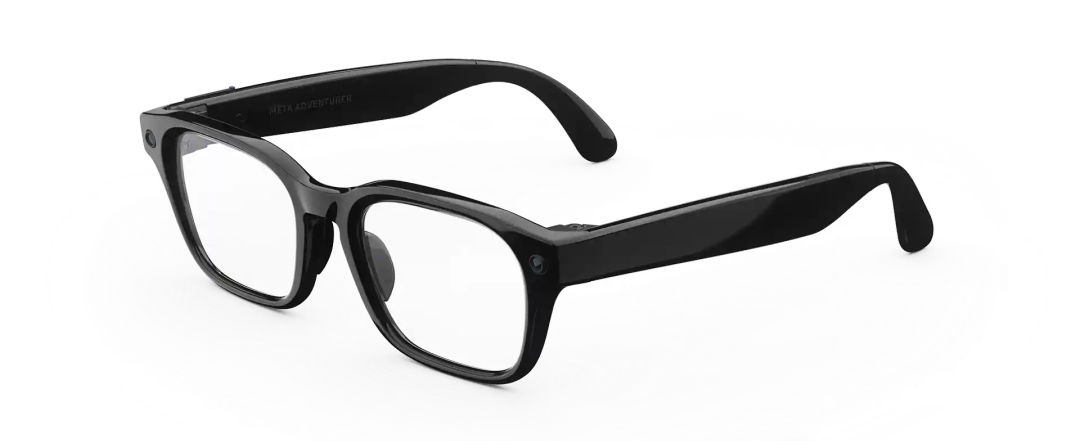
Op 23 Junie 2026 het Meta amptelik die Meta-bril bekendgestel, sy eerste selfgemerkte slim bril, wat ’n volledige breek met sy vorige mede-merkverhoudings met Ray-Ban en Oakley aandui. Drie raamstyle het die mark bereik: die Adventurer, Fury en Starfire, wat saam met Kylie Jenner ontwerp is, begin teen USD 299 — ongeveer USD 80 goedkoper as die vorige Ray-Ban Meta-samewerkuitgawe. Dit is Meta se eerste inheemse hardewareproduk wat die Muse Spark multimodale KI-model ingebed het en wat werklike vertaling in 14 addisionele tale ondersteun, insluitend Mandaryns, wat sy totale taaldekking na 20 uitbrei.
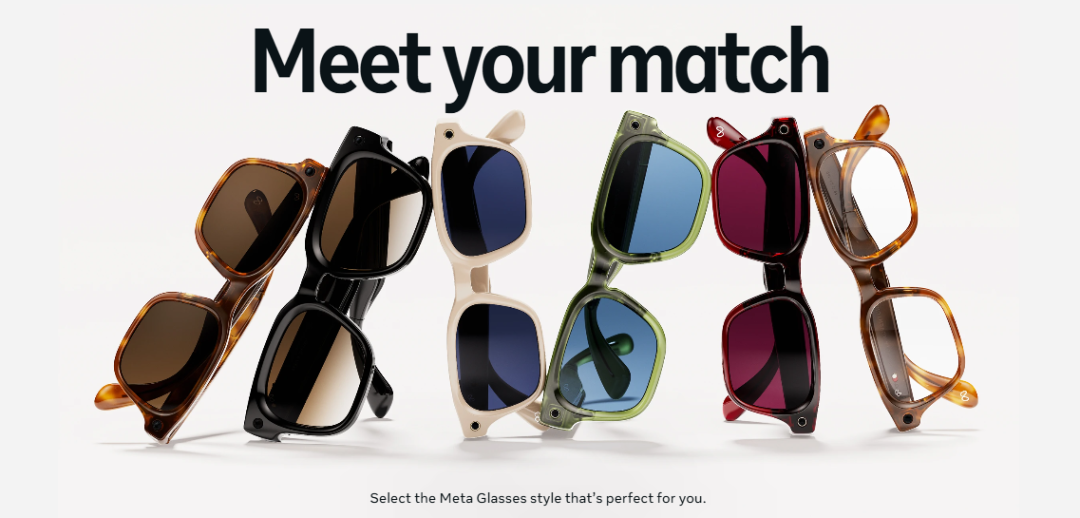
Wat die hardeware-spesifikasies betref, behou Meta Glasses sy kernkonfigurasies: ’n 12-megapikselskamera, 3K-video-opname en ’n ses-mikrofoonopneemstelsel. Dit lewer ongeveer 8 uur se batterytyd per laai, wat tot 40 uur uitbrei met die laaikassie. Die standaardweergawe weeg 53,77 gram — ’n syfer wat Meta se ingenieursgrens verteenwoordig vir die inpak van genoeg krag binne die nou slaapruimte om die kamera, speakers en AI-berekeningslas te dryf.
01 Markgroei: 2026 is ’n groot-skaal infleksiepunt
Meta se versnelde uitleg is bloot ’n mikrokosmos van die breër nywerheid. Volgens die jongste IDC-data het wêreldwye leverings van slim brille in die eerste kwartaal van 2026 3,566 miljoen eenhede bereik, ’n styging van 130,1% jaar-oor-jaar. Ontleding:
- Audio- en audio-opneembrille: 2,248 miljoen eenhede, ’n styging van 167,4% j-o-j
- AR/VR-toestelle: 1,318 miljoen eenhede, ’n styging van 85,9% j-o-j
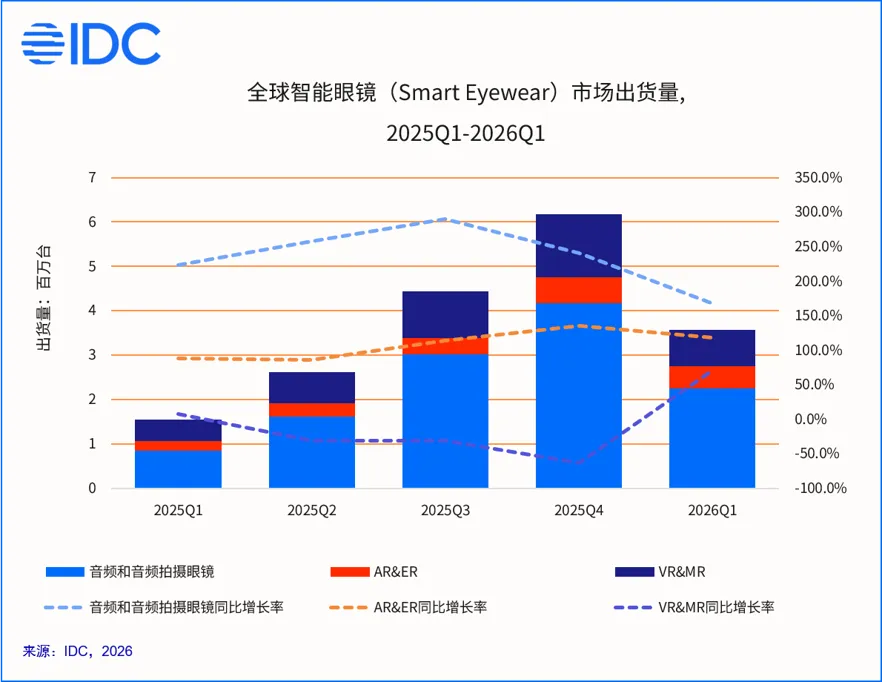
Vir die volle jaar voorspel IDC dat wêreldwye verbindings van slim bril vir verbruikers meer as 23,687 miljoen eenhede sal oorskry, met China se mark wat 4,915 miljoen eenhede sal bereik en meer as 20% van die wêreldwye volume verteenwoordig. China se versendings vir 2025 het op 2,907 miljoen eenhede gestaan, ’n jaar-oor-jaar-toename van 121,1%. IDC voorspel verder dat China se saamgestelde jaarlikse groeikoers (CAGR) van 2024 tot 2029 55,6% sal bereik — die hoogste wêreldwyd — met Chinese vervaardigers wat verwag word om 45% van die wêreldwye markaandeel te beheer.
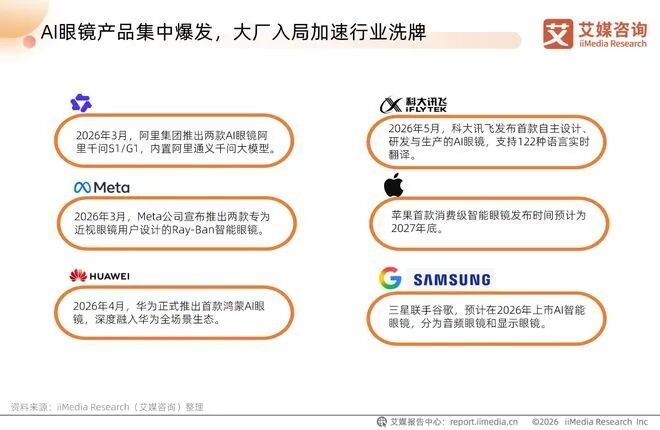
Die bewegings van groot tegnologie-gigante bly die nywerheid se rigtings vorm:
- Apple se projek vir slim brille word verwag om tussen 2026 en 2027 in massa-produksie te tree;
- Google fokus op die lisensiering van sy Android XR-platform en die vorming van vennootskappe met hardewareverskaffers, en bevorder gesamentlike ontwikkelingsprojekte met XREAL, Samsung en ander;
- Binnelandse spelers: Alibaba integreer sy Qwen-groot model met sy e-handel- en betalings-ekosisteme via sy AI-bril; iFLYTEK maak gebruik van spraaktegnologie vir kantoor-toepassings; ByteDance het nog nie ’n amptelike produk-lanseringsdatum bekend gemaak nie, maar sy inhoud-ekosisteem en algoritme-aanbevelingsvermoë bring nuwe groeimotors na die mark.
IDC merk op dat China se 2026 slim bril-mark verskuif van spesifikasie-gebaseerde mededinging na ’n alomvattende sterkte-wedstryd wat rondom gebruikerservaring sentreer. Drie kernfaktore sal die marklandskap bepaal: draagkomfort, praktiese toepaslikheid van AI-funksies, en ekosisteemrypheid. Terselfdertyd is slim brille nou ook bygevoeg in China se nasionale digitale produk-ruilsubsidie-katalogus, saam met die 618 e-handel-koopfees om verbruikersvraag verdere te bevorder.
02 Ontledingsanalise van vlagskipmodelle: Passende batteryvermoë in baie klein slaapholtes
Agter die vinnige markuitbreiding lê ekstreme hardewareontwerpbeperkings. Hieronder is 'n samestelling van ontbindingstoetsdata vir gewilde AI-brille wat tans op die mark beskikbaar is:
|
Model |
Totale gewig |
Sellkapasiteit |
Slapeholte-beperkings |
|
Meta-brille (2026) |
53,77 g |
248 mAh (960 mWh) |
Volledig geplak slape |
|
Xiaomi AI-brille |
40 g |
263 mAh |
Simmetriese linker- en regterslape, silikon-koolstofanode |
|
Rokid-brille |
49 g |
210 mAh |
— |
|
Huawei AI-bril |
35,5 g |
~300 mAh (3 selle) |
Ultradunne 6,25 mm skouers |
|
Livis deur Li Auto |
Nie bekendgemaak nie |
240 mAh (3 selle) |
Drievoudige ingeboude batterye |
Selskapasiteite wissel meestal tussen 210 mAh en 263 mAh. Volgens huidige selenergidigtheid-benodigdhede, met 'n totale toestelgewigsbegroting van 35–50 gram, word slegs 'n dosyn gram vir batterye toegeken. Skouerdikte is gewoonlik onder 7 mm, wat geen ruimte laat vir koelventilators of groot hitteverspreiders nie. IDC-data wys dat gewilde 2026-modelle tussen 40 en 50 gram weeg, met meer as 45% van produkte wat verwag word om onder 50 gram te weeg.
03 Die verborge battery-lewensduurkrisis agter die bedryfsvoordeel
Stygende versendingvolume kan nie die gaping tussen bemarkte spesifikasies en die werklike gebruikerservaring wegsteek nie.
IDC-data openbaar dat China se Q1 2026 versendings van klank- en klankopname-brillette met 0,1% per jaar afgeneem het, met 'n verslapping in die vraag na klankalleen-brillette; liggewig vertoningsbrillette het AR&ER-versendings met 168,6% per jaar laat styg. Verbruikers beweeg verby basiese klankfunksionaliteit en soek verskillende visuele en AI-interaksie-ervarings. Die byvoeging van vertoningsmodules en op-apparaat AI verhoog egter die batteryverbruik eksponensieel.
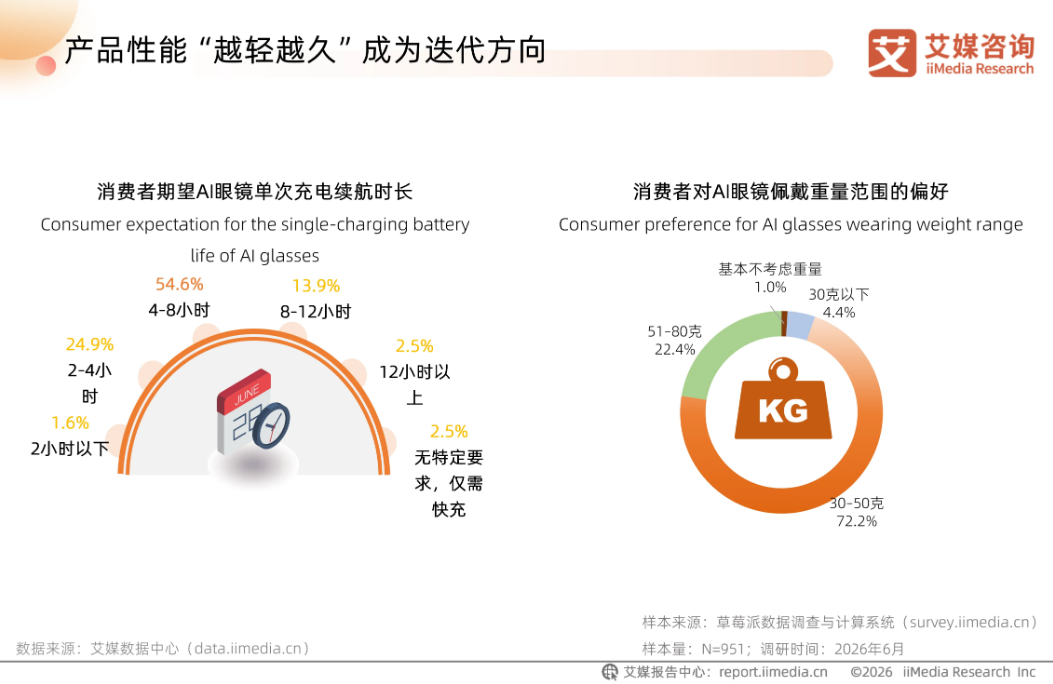
AI-brille het reeds lank gely onder aanhoudende probleemareas: swaar gewig, kort batteryduur en swak rekenvermoë, wat die gebruikerservaring en massiewe kommersialisering belemmer. Gebruikersklagte oor katastrofiese batteryverbruik bly wydverspreid. Data van iiMedia Research dui daarop dat verbruikers verskeie faktore in ag neem wanneer hulle AI-brille koop, met batteryduur (29,3%), ekosisteemverenigbaarheid (26,2%) en privaatheidsbeskerming (24,9%) bo-op die lys van besorgdhede. Meer as die helfte van verbruikers verwag ’n enkel-laaityd van 4–8 ure, wat aandui dat kopers nou ’n geïntegreerde sagteware-hardeware-ervaring bo afsonderlike hardewareparameters prioriteer.
04 Die wortel van die batteryduur-bottleneck: Hoekom 200 mAh-klas-selle te kort kom
Drie vlakke fisiese beperkings skep die batteryduur-dilemma:
1. Ruimtelike beperkings
Om "gewiglose draagbaarheid" te lewer, moet die totale gewig van die AI-brille onder 50 gram bly. Binne hierdie streng gewigbegroting is enkele battery-selle beperk tot 3–5 gram, ≤5 mm dik en ≤52 mm lank — geometriese grense wat geen ruimte vir ekstra batteryvolume laat nie.
2. Eksplosiewe kragverbruik
Groot taalmodelle op die toestel verbruik meer as 0,3 W aan skyfievermoë. Saam met kameras, mikrofoonreëls en kommunikasiemodule is die totale stelselkragverbruik maklik meer as 2 W. Selfs batterye met lae interne weerstand ervaar 'n vinnige styging in temperatuur by die slaapvlak tot byna die menslike gemaksdrempel van 42 °C onder swaar las, wat CPU-frekwensie-vermindering of gedwonge kragbeperkings aktiveer. Gemeetde kragverbruiksdata:
|
Gebruiksscenario |
Gemiddelde kragverbruik |
Teoretiese tydperk van bedryf met 'n 210 mAh-battery |
|
Standby (altyd-aan sensasie) |
~1,2 mW |
~30 ure |
|
AI-stemgesprek |
~350 mW |
~2,8 uur |
|
1080p-videoopname |
~280 mW |
~3,5 ure |
|
Opname + gelyktydige KI-bedryf |
~800 mW |
~1,2 uur |
|
Liggeleiervertoon voortdurend aan |
~600 mW |
~1,6 ure |
Die aktivering van liggeleidingstoepassings of gelyktydige AI-bewerking + video-opname beperk aanhoudende hoëbelastingbedryf tot minder as 2 ure op 210–263 mAh-selle (0,8–1,0 Wh). Bewerings van 'n "heeldagbatterylewensduur" geld gewoonlik slegs vir wagmodus met minuskule kennisgewings, wat ernstig verskil van werklike gebruiksintensiteit.
3. Ingenieursvertekort van tradisionele gewonde selle in AI-brille
Die meeste bestaande AI-brille gebruik gewonde sagte-pakkie-selle wat vervaardig word deur die katode, separator en anode om 'n windpen te rol om 'n vasgelegde vorm te vorm. Hierdie proses staar drie kritieke ingenieursuitdagings in die gesig vir ultra-kompakte slaapontwerp:
- Lae ruimte-gebruik: Ronde/ovale gewonde kerne binne plat reghoekige holtes skep doodruimte by al vier hoeke. Binne 10 mm-wye slape beperk hierdie verspilling direk die maksimum bereikbare kapasiteit vir 'n gegewe voetskrif.
- Moeilikheid met interne weerstandbeheer: Nou, langwerpige windstrukture verleng die elektrodevelle en verhoog die interne weerstand. Hoë weerstand veroorsaak skerp spanningvalle tydens hoëtempo-ontlaaiing, wat onderspanningsbeskerming aktiveer en die toestel se funksionaliteit afsny ten spyte van 'n oorblywende batteryladingsvlak — 'n ernstig verminderde gebruikerservaring.
- Belemmerings vir ultra-dun, ultra-kort vormfaktore: Windtoerusting word beperk deur die minimum speldiameter, wat die vervaardigingsmoeilikheid en uitsetbeheervereistes drasties verhoog vir selle dunner as 3 mm of korter as 25 mm.
Hierdie ingenieursuitdagings skep 'n sistemiese tegniese hindernis: selle vir brilskinnes moet ekstreme miniaturisasie bereik terwyl dit 'n stabiele spanning en beheerde temperatuurverhoging onder swaar las behou.
05 Mitac-litiumbattery: Aangepaste battery-oplossings vir AI-slimbrille
Om aan die ekstreme selvereistes van AI-brille te voldoen, bied Mitac-litiumbatterye meer as ’n dekade se ervaring in klein polimeerlitiumbatterye. Op basis van tradisionele rolprosesse het ons stelselmatige, diepgaande miniaturisasie-optimalisering voltooi en ses gestandaardiseerde selmodelle bekendgestel wat spesifiek ontwerp is vir die kernvereiste van draagbare toestelle: kompakte, ligte en dun profiele.
01 Ultra-miniature ontwerp aangepas vir AI-brille
Al ses selmodelle maak gebruik van vierkantige aluminium-plastiekfilmverpakking met positiewe/negatiewe bedrade wat vanaf die sy getrek word (geunifiseerde positiewe bedraadorientasie) en betroubare wasdompelisolering. Die kernsterktes lê op ekstreme miniaturisasie, ’n ligte bouvorm en hoë energiedigtheid, wat perfek pas by die uiteindelike ontwerpdoel van AI-brille: dun, dun en ligte raamwerke vir onmerkbare draagbaarheid.
|
Model |
Nominale kapasiteit |
Nominale Spanning |
Maksimum afmetings (L×W×D, mm) |
Gewig |
Tempo-prestasie |
Kernkenmerke |
|
ST-LP481048 |
280 mAh |
3,8 V |
49.2×10×4.8 |
5,7 g |
3C-ontlaaiing / 1C-laaiing |
Grootste kapasiteit in reeks; energiedigtheid 462 Wh/L |
|
ST-LP401050 |
270 mAh |
3,8 V |
51.2×10×4.0 |
4,2 g |
3C-ontlaaiing / 1C-laaiing |
Nywerheidsleier met energiedigtheid van 513 Wh/L; meer as 430 000 eenhede versend |
|
ST-LP411140 |
220 mAh |
3,85 V |
41.5×11.2×4.1 |
3,7 g |
3C-ontlaaiing / 3C-laaiing |
Hoëspanningstelsel; alomvattend 3C-vinnige laaiing en ontlaaiing; meer as 220 000 eenhede versend |
|
ST-LP361140 |
205 mAh |
3,85 V |
41.5×11.2×3.7 |
3,5 g |
2C-ontlaaiing / 2C-laaiing |
Hoëspanningsstelsel; ultra-dun 3,7 mm-profiel |
|
ST-LP400935 |
120 mAh |
3,85 V |
37.0×9.2×4.2 |
2,2 g |
3C-voortdurende ontlaaiing / 3C-laaiing |
Geoptimeer vir hoëbelastingpiekvermoordsituasies |
|
ST-LP501020 |
100 mAh |
3,87 V |
22.0×10.2×5.2 |
1,8 g |
Standaard laai- en losproses |
Maksimum nominale spanning 3,87 V; baie kort vormfaktor van 22 mm |
Die ses selmodelle weeg 1,8 g tot 5,7 g, met ’n minimum dikte van 3,7 mm (LP361140) en ’n minimum lengte van 22 mm (LP501020), wat buigsame integrasie in die baie beperkte ruimte van AI-briltempels of -raamwerk moontlik maak.
02 Hoë-spanningstelsel: Onttrek meer energie binne ’n vasgestelde volume
AI-briltempels word in millimeter gemeet, wat streng vasgestelde beperkings op batterygrootte opleg. Met geen ruimte vir fisiese uitbreiding nie, is die verhoging van die bedryfspanning die enigste manier om hoër energiedigtheid te bereik.
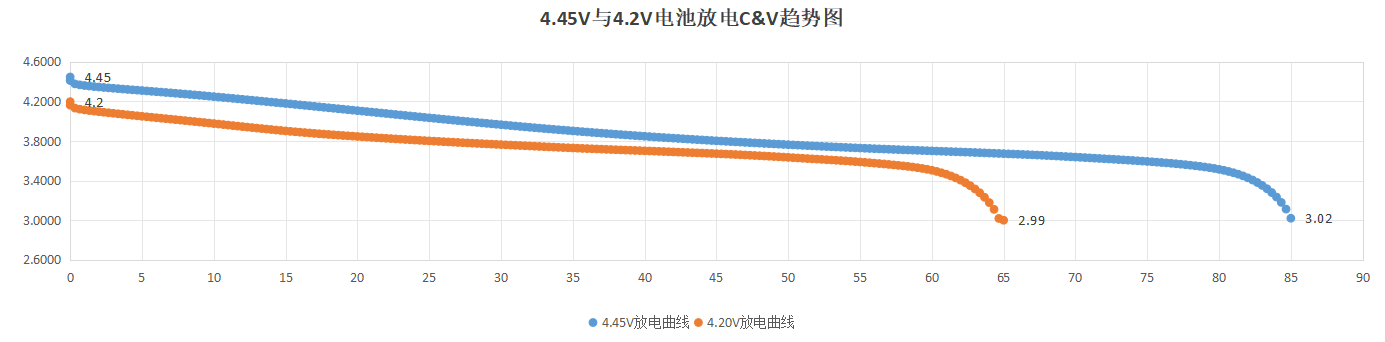
Tradisionele polimeerlitiumbatterye het ’n nominale spanning van 3,6–3,7 V met ’n laaikap van 4,2 V. Hoë-spanningselle verhoog die nominale spanning na 3,85 V of 3,87 V, met onderskeidelik laaikappe van 4,4 V en 4,45 V. Die algemene spanningplatform styg met ongeveer 0,17 V, wat die energiedigtheid met 5–8% verhoog en die bedryfsduur by identiese stroomtrekking verleng.
Neem byvoorbeeld die ST-LP501020: sy gewaardeerde energie bereik 0,387 Wh teen 3,87 V / 100 mAh. Om dieselfde energie met 'n konvensionele 3,7 V-stelsel te bereik, sou die kapasiteit tot ongeveer 105 mAh moet styg (0,387 Wh ÷ 3,7 V ≈ 104,6 mAh). 'n 105 mAh-sel kan egter nie binne die 22,0×10,2×5,2 mm-afmeting met standaard roltegnologie vervaardig word nie — hoër kapasiteit vereis dikker elektrodes of digter rolle, wat fundamenteel beperk word deur die 22 mm-raam-lengte. Hoëspanningsstelsels lewer groter energie-opslag sonder om volume of massa in te boet.
Vier van Mitac se ses aanbevole modelle maak gebruik van 3,85 V / 3,87 V hoëspanningsargitekture, waarby die ST-LP501020 die nywerheid se hoogste nominale spanning van 3,87 V vir sy grootte bied. Vir energiedigtheidverwysingspunte:
- ST-LP401050: 513 Wh/L (3,8 V-standaardspanning, reeksleier)
- ST-LP481048: 462 Wh/L (3,8 V)
- ST-LP411140: 470 Wh/L (3,85 V-hoëspanning)
03 Stabiele kraguitset om dinamiese kragtrekking te akkommodeer
Aangepas vir die tipiese vereistes van AI-brille vir vinnige herlaaiing, aanhoudende bedryf en piekvermoë-uitbarstings; al ses selle lewer konsekwente, betroubare prestasie oor verskeie ontlaai-tempo's:
|
Model |
Minimum Kapasiteit (0,2C) |
Standaard Laaiing (0,2C CC/CV) |
Vinnige Laai-Kapasiteit |
Ondersteuning vir Hoëtempo Ontlaaiing |
|
ST-LP481048 |
≥280 mAh |
Laai tot 4,4 V, ~5,5 ure |
Maksimum 1C-laaiing |
3C Ontslag |
|
ST-LP401050 |
≥270 mAh |
Laai tot 4,4 V, ~5,5 ure |
Maksimum 1C-laaiing |
3C Ontslag |
|
ST-LP411140 |
≥220 mAh |
Laai tot 4,4 V, ~5,5 ure |
Maksimum 3C-lading |
3C Ontslag |
|
ST-LP361140 |
≥200 mAh |
Laai tot 4,4 V, ~5,5 ure |
Maksimum 2C-lading |
2C-ontlaaiing |
|
ST-LP400935 |
≥115 mAh |
Laai tot 4,4 V, ~5,5 ure |
Maksimum 3C-lading |
3C-aaneenlopende ontlaaiing |
|
ST-LP501020 |
≥95 mAh |
Laai tot 4,45 V, ongeveer 5,5 ure |
Maksimum 1C-laaiing |
1C-ontlaaiing |
04 Lae interne weerstand en streng temperatuurbeheer verseker gladte bedryf en draagbaarheidsekerheid
Alle produkte voldoen aan nasionale en EU-standaarde en slaag streng veiligheidstoetse wat ver buite konvensionele gebruikgevalle gaan, met ’n sikluslewe van ≥500 laai-ontlaai-siklusse. Die kombinasie van ’n lae interne weerstand en uitstekende termiese eienskappe verseker langtermynveiligheid en gemak vir dra scenarios waar die produk baie naby aan die liggaam is.

Lae interne weerstand maak doeltreffende energie-omsetting moontlik. Ons beheer die sel se interne weerstand noukeurig, met alle modelle wat lae weerstandvlakke handhaaf (≤370 mΩ tot ≤390 mΩ); ST-LP361140 en ST-LP411140 bereik ≤320 mΩ. Ontwerpe met lae weerstand verminder energieverlies tydens oplaaiing en aflaaiing, stabiliseer spanning onder hoë-tempo-ontlaaiing om CPU-vertragting of funksionele afskakeling as gevolg van spanningvalle te voorkom, en verlaag die basiese bedryfstemperatuur vir veilige velkontak. Hierdie ontwerp is noodsaaklik vir AI-brille met stywe behuising en beperkte hitteverwydering, en bepaal direk die stelsel se vloeiendheid en stabiliteit — een van Mitac Lithium Battery se kernmededingende voordele vir draagbare toestelle.
Streng bedryfsbeskrywings waarborg veiligheid tydens dra. Produkte voldoen aan streng nywerheidsstandaarde met gedefinieerde bedryfstemperatuurvensters: oplaaiing 0–45 °C, aflaaiing -10–60 °C, en slaag 'n volledige reeks veiligheidstoetse:
- Hoë-temperatuur ontlaaiingsprestasie: By 60 °C behou ST-LP501020 ≥95% van sy kapasiteit by ’n 0,2C-ontlaaiing; ST-LP361140, ST-LP400935 en ST-LP411140 behou ≥95% van hul kapasiteit by ’n 0,5C-ontlaaiing, met beheerbare prestasievermindering vir alle omgewingsomstandighede.
- Versletenheidveiligheidsekerheid: Verskeie streng misbruiktoetse verminder die risiko’s onder ekstreme misbruik. In kombinasie met die natuurlike voordeel van lae hitte as gevolg van lae interne weerstand, voorkom die selle gebruikersongemak of veiligheidsgevare wat uit batteryoortoerusting tydens langdurige dra kan voortspruit.
05 Silikon-gebaseerde anodes en intelligente digitale vervaardiging vorm kernmededingende voordele
Op die gebied van kern-tegnologie het Mitac-litiumbatterye die toepassing van gewysigde silikon-koolstof saamgestelde anode-tegnologie in die navorsing en ontwikkeling van klein sagte-paksel-selle aangevoer. Optimaliseerde silikon-koolstof mengsels en interfasie-modifikasie onderdruk effektief die volume-uitbreiding van die silikonanode, verbeter strukturele stabiliteit en elektriese geleiendheid, en verhoog siklusbetroubaarheid terwyl energiedigtheid verhoog word om die batteryleeftyd binne die kompakte raam van AI-brille te verleng.
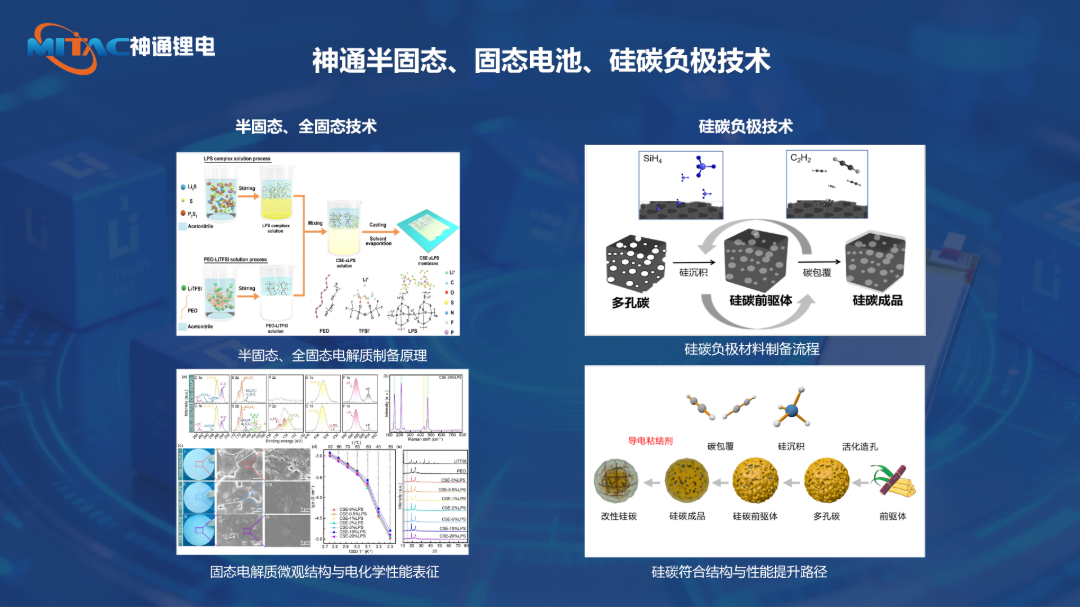
Ons het ook 'n volledig outomatiese, digitale vervaardigingsstelsel opgebou. Hoë-presisie intelligente toerusting en real-time data-monitering word by sleutelproduksiestappe ingespan. Verfynde prosesbeheer en volledige ketting digitale traceerbaarheid lewer dubbele deurbrake in produkopbrengs en prestasiekonsekwentheid, en voorsien hoë-betroubare, lang-siklus, stabiele-ontlaaiings kernkragbronne vir presisie draagbare toestelle.
06 Modelkeuse-aanbevelings
AI-brille stel baie verskillende selvereistes op grond van funksionele vlakke:
- Net audio-brillette wat hoofsaaklik deur Bluetooth-audio SoC's aangedry word met 'n lae totale kragverbruik. Hulle vereis nie hoë-tempo selprestasie nie (1C–2C is voldoende). Kernprioriteite: maksimum kapasiteit binne baie dun profiele, gekombineer met lae interne weerstand om die tydperk van een laai te verleng.
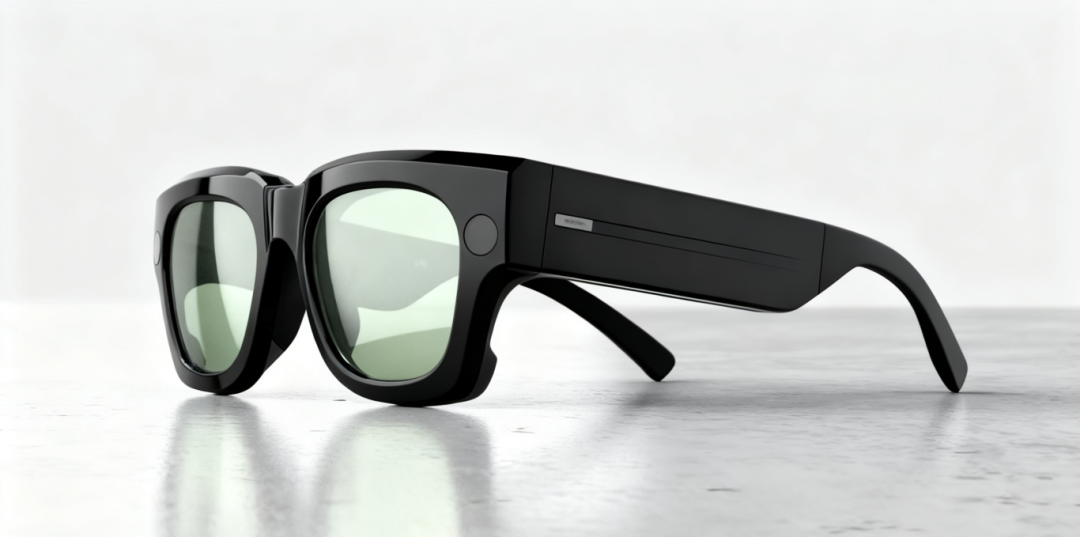
- Video/vertoningsbrillette Met addisionele funksies soos 1080p-opname (~3,65 mAh kragverbruik per 60 sekondes), AI-sigverwerking en liggeleiervertonings styg die totale kragverbruik drasties. Hierdie toestelle is beperk tot 'n totale gewig van 40–60 g met slegs 'n batterykapasiteit van 200–300 mAh en moet 8–12 ure van onderbrekende daaglikse gebruik onderhou. Sleutelvereistes vir die sel: hoë-tempo ontlaai-vermoë om die onmiddellike piekvermoë tydens gelyktydige opname en AI-berekeninge te hanteer, sowel as hoë-spanningsargitekture om energiedigtheid binne 'n vasgestelde volume te maksimeer.
Gedoelte modelaanbevelings:
|
Produktipe |
Aanbevole Model |
Kernkeuse-redenasie |
|
Baie dun audio-brillette |
ST-LP361140 |
3,7 mm ultra-dun + 3,85 V hoë spanning; optimale balans tussen batterylewe en vormfaktor |
|
Kort-tempeel oudioglasies |
ST-LP501020 |
22 mm ultra-kort liggaam + nywerheid-top 3,87 V spanning |
|
Alomvattend video/vertoningsglasies |
ST-LP411140 |
3C vinnige laai + 3C ontlaai + hoë-spanningstelsel; primêre sel vir gelyktydige opname & KI-last |
|
Hoë-las spesiale video/vertoningsglasies |
ST-LP400935 |
Volhoude 3C ontlaaiing; geen frekwensie-vermindering onder piekvermoë nie |
|
Kapasiteit-geprioritiseerde video/vertoningsglasies |
ST-LP481048 |
Maksimum 280 mAh kapasiteit vir swaar daaglikse gebruik |
|
Energie-digtheid-geprioritiseerde video/vertoningsglasies |
ST-LP401050 |
Nywerheidsleier met 513 Wh/L, die hoogste energiestoorvermoë vir identiese afmetings |
Gevolgtrekking
IDC voorspel dat rondom 2028, met die kommersialisering van ligte binokulêre volkleur-mikrovertonings en voortdurende kosteverlaging vir kernoptiese komponente soos liggeleiers, die nywerheid se ontwikkelingsfokus sal verskuif van oudio-bril na hoë-end AR/VR-toestelle. Die kragverbruik van die vertoonmodule sal toeneem, wat bestaande selle van 200 mAh onvoldoende maak.
Die mededinging onder AI-brille verskuif van "eerste-om-uit te kom" na "duurzaamheid". Duurzaamheid berus uiteindelik op die battery wat binne-in die slape verborge is — onsigbaar vir gebruikers maar altyd hul ervaring vorm. Mitac-litiumbattery sal voortgaan om miniaturiseerde hoëspanning-sagpakkelselle-tegnologie te verbeter om fundamentele kragondersteuning vir ligte, langlaastende AI-slimbrille te lewer.