 EN
EN

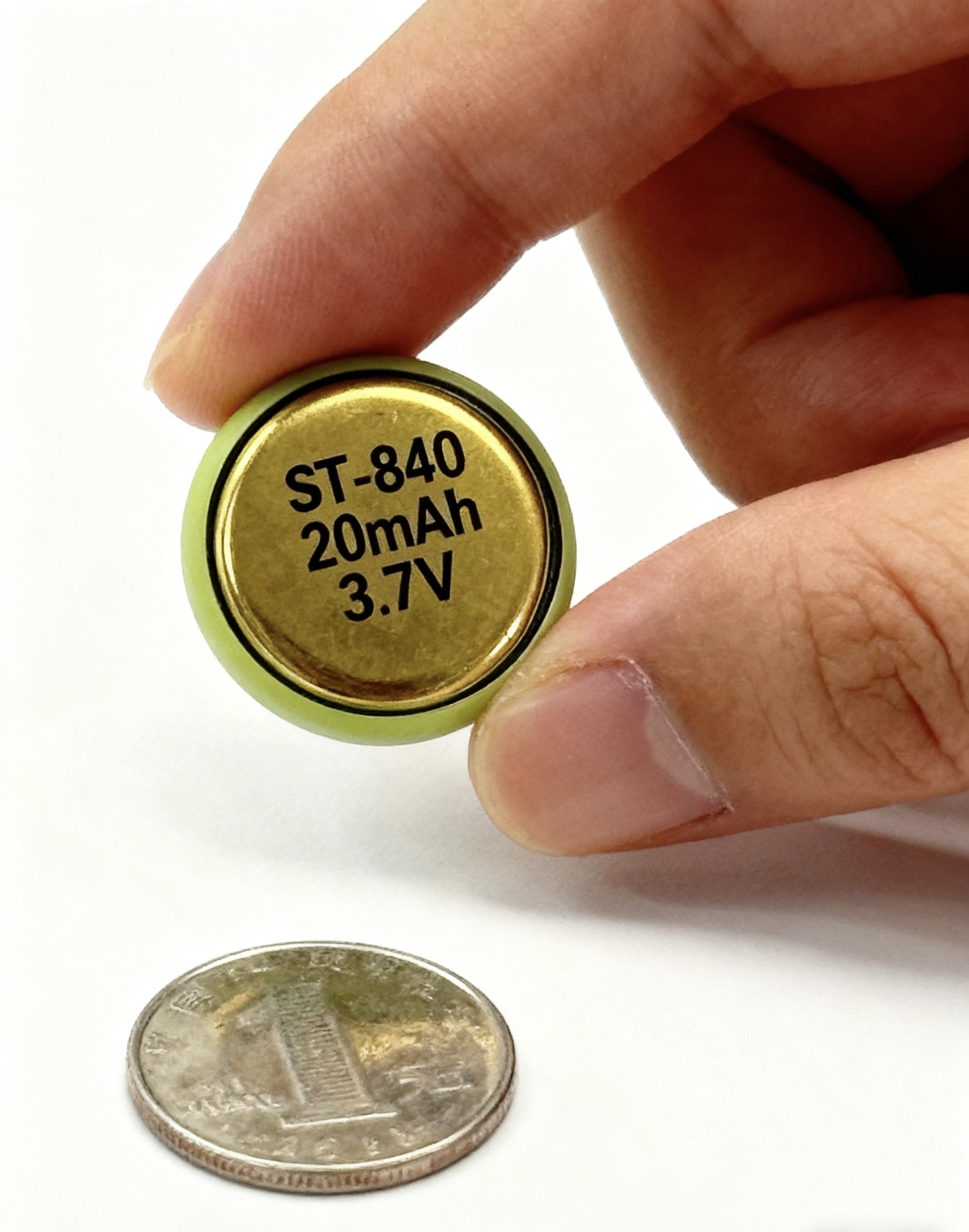
Ultra-thin LiPo batteries are becoming more popular in many electronic products.
They are slim and lightweight, which makes them perfect for devices like smartphones, tablets, and wearables. As product engineers at Mitacbattery, we pay careful attention to how these batteries can improve product performance and efficiency. This article will explain why ultra-thin LiPo batteries are important and how engineers can find the best lipo lithium polymer deals for these batteries.
When engineers use ultra-thin LiPo batteries, they can make products that are not only lighter but also more powerful. For example, a smartphone that uses a thin battery can be slimmer and easier to hold. This means people can carry their phones more comfortably. A lighter device also means that it can be used for longer periods without needing to be charged. Ultra-thin batteries can hold a lot of energy in a small space. This helps engineers design products that work better and last longer. Imagine a smartwatch that fits perfectly on your wrist and can last for days without needing a charge! At Mitacbattery, we believe that ultra-thin LiPo batteries can change the way people use technology every day. They can also allow for creative designs, giving engineers more freedom to think outside the box. For instance, a new type of gadget might use an ultra-thin battery that can be shaped differently to fit into unique spaces. This opens the door to more innovative products in the market.
Finding the best deals on ultra-thin LiPo batteries can be quite helpful for engineers. There are many places to look, but it’s important to find reliable sources. Online marketplaces often have options, but it’s wise to compare prices and reviews before making a choice. Wholesale suppliers can be a great option, as they offer bulk purchasing at lower prices. It is also important for engineers to check the quality of the batteries. At Mitacbattery, we prioritize quality, so we recommend looking for suppliers who have good reputations and positive feedback from other buyers. Sometimes, local electronics shops might have sales or discounts. Visiting these shops can help engineers find what they need while supporting local businesses. Additionally, connecting with industry contacts and attending trade shows are great ways to find new suppliers and deals on batteries. Networking can lead to discovering exclusive offers that might not be available online. Overall, keeping an eye out for the best prices while ensuring quality is key for engineers looking to use ultra-thin LiPo batteries in their products.
What Product Engineers Need to Know About Ultra-Thin LiPo Battery Specifications?
When product engineers design new gadgets, they must understand the important details about ultra-thin lithium polymer (LiPo) batteries. These batteries are popular because they are light and can fit into small spaces. However, there are specific specs or features that engineers need to consider. First, they should know the size and shape of the battery. Ultra-thin LiPo batteries come in various sizes, and engineers must choose one that fits their product perfectly. If the battery is too big or too thick, it may not fit inside the device, making it useless.
Next, engineers need to pay attention to the battery's capacity, measured in milliamp hours (mAh). This number tells how much energy the battery can store. A higher mAh means the battery can last longer before needing to be recharged. For example, if a smartphone needs to run for a full day on a single charge, engineers must select a battery with enough capacity to support that. Another important specification is the discharge rate, which shows how quickly the battery can release its energy. If a device needs a lot of power quickly, like during gaming, the discharge rate must be high.
Finally, engineers should consider the battery's safety features. Ultra-thin LiPo batteries can be sensitive to heat and pressure. It’s crucial to select batteries with built-in protections to avoid overheating or catching fire. At Mitacbattery, we prioritize safety in our ultra-thin LiPo batteries, ensuring that they can be used confidently in all sorts of products. Understanding these specifications helps engineers create better devices that work efficiently and safely.
How to Overcome Common Usage Issues with Ultra-Thin LiPo Battery Designs?
While ultra-thin LiPo batteries are great for many products, they can come with some challenges. Product engineers need to know how to deal with these common issues to make sure their devices work well. One issue is battery swelling. If a LiPo battery gets too hot or is overcharged, it can swell up, which might damage the device. To prevent this, engineers should include temperature sensors in their designs. These battery lipo battery can help monitor the battery's heat and shut down the device if it gets too hot.
Another common issue is battery lifespan. LiPo batteries can lose their ability to hold a charge over time, especially if they are frequently charged and discharged. To combat this, engineers can design charging circuits that minimize the number of full charge cycles. This means avoiding charging the battery to 100% and letting it drop too low. Instead, keeping it between 20% and 80% can help extend its life.
Moreover, engineers should also think about how the battery connects to the device. Poor connections can lead to power loss or even failure of the device. Using high-quality connectors and ensuring a solid design can help maintain a reliable power supply. At Mitacbattery, we focus on creating reliable connections and overall designs that help our batteries work better and last longer. By addressing these issues, engineers can create devices that are not only thinner but also more durable and user-friendly.
What Are the Latest Trends in Ultra-Thin LiPo Battery Technology?
The world of technology is always changing, and ultra-thin LiPo batteries are no exception. One of the latest trends is the development of flexible batteries. These batteries can bend and shape themselves to fit into unique designs, which opens up new possibilities for products. For instance, wearable technology like smartwatches and fitness trackers can use flexible batteries to stay lightweight and comfortable for users. Engineers at Mitacbattery are excited about these innovations and are working to create flexible options that meet high performance standards.
Another trend is the push for faster charging technology. People want to charge their devices quickly, so engineers are looking for ways to make ultra-thin LiPo batteries charge faster without overheating. New charging methods and materials are being tested to improve charging times. This means users can enjoy their devices longer with less waiting time.
Sustainability is also a big focus in battery technology. Engineers are now looking for ways to make batteries that are not just efficient but also good for the environment. This includes using materials that are easier to recycle and reducing waste during the battery-making process. At Mitacbattery, we are committed to sustainability and are researching how to produce batteries that are both high-quality and eco-friendly.
These trends show that ultra-thin LiPo battery technology is advancing quickly. Engineers must keep up with these changes to create the best products for consumers. By focusing on flexibility, faster charging, and sustainability, these lipol batteries can help shape the future of technology.
Table of Contents
- Ultra-thin LiPo batteries are becoming more popular in many electronic products.
- What Product Engineers Need to Know About Ultra-Thin LiPo Battery Specifications?
- How to Overcome Common Usage Issues with Ultra-Thin LiPo Battery Designs?
- What Are the Latest Trends in Ultra-Thin LiPo Battery Technology?