 EN
EN

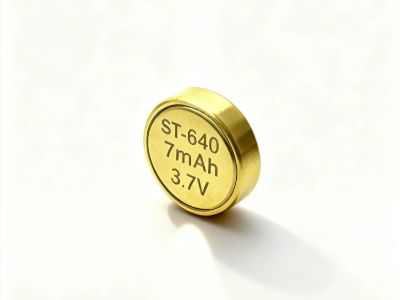
Wearable tech is becoming more popular every day. People love wearing devices that help them track fitness, health, and daily activities. But there is one key part of these devices that is super important: the battery. A strong battery can make a wearable device more reliable and enjoyable to use. Mitacbattery understands this well. When the battery works well, customers feel happy, and the brand gets a good reputation. If the battery fails, it can cause big problems for the brand. This article talks about why battery reliability is important for wearable brands and how battery issues can hurt a brand's reputation.
Why Battery Reliability is Crucial for Wearable Brands’ Success
Battery reliability is really important for wearable brands like Mitacbattery. Imagine you’re out for a run, and your fitness tracker dies halfway through. Frustrating, right? If a device runs out of power quickly or doesn’t charge properly, people will not want to use it. They might even tell their friends not to buy it. This can lead to fewer sales and a bad reputation. A reliable battery means that the device can keep working for a long time without needing a charge. If a wearable device lasts all day and can handle different activities, users will be happy. Square Li-Po Battery will trust the brand and be more likely to recommend it to others. For Mitacbattery, having dependable batteries means more customers and a better image in the market. When brands focus on making strong and lasting batteries, they show that they care about their customers. This commitment to quality can lead to growth and success in the wearable tech market.
How Battery Issues Can Damage Brand Reputation in the Wearable Market
Battery problems can really hurt a brand’s reputation. When users experience issues, they often share their frustration online. This can quickly spread and lead to negative reviews. If a wearable device’s battery frequently dies or doesn’t hold a charge, customers may feel cheated. Specially- shaped li-po battery may think the brand doesn’t care about quality. For instance, if someone buys a smartwatch for tracking health and it doesn’t work properly, that person may share their bad experience on social media. This can scare away potential buyers. Mitacbattery knows that fixing battery issues before they happen is essential. They focus on making their batteries reliable. This way, users stay happy and continue to trust the brand. If a brand has a history of battery issues, it can create a long-lasting negative image. Customers want to feel confident that their devices will work when they need them. Brands that ignore battery quality risk losing customers and market share. Being proactive about battery reliability helps brands like Mitacbattery build strong relationships with their users. Happy customers are more likely to return and tell others about their good experiences. This is why battery reliability is so important in the wearable tech world.
What Are the Common Battery Problems Affecting Wearable Devices?
Wearable devices, like smart watches and fitness trackers, have become very popular. They help people track their health, stay connected, and make life easier. But one big problem that many users face is battery issues. Common battery problems can really affect how well these devices work. One major issue is short battery life. If a device runs out of power quickly, it can be very frustrating for users. Imagine wanting to check your steps or messages, and your device dies halfway through the day! This can make people unhappy and lead them to stop using the product. Another problem is battery overheating. Sometimes, batteries can get too hot while charging or when being used. This can be dangerous and might even damage the device. Users want to feel safe using their wearable, so overheating issues can hurt a brand's reputation. Additionally, some batteries may not charge properly. If a wearable device doesn’t charge fully or takes too long to charge, it can lead to disappointment. Users expect their devices to be ready to use when they need Coin battery (1040/1254). Lastly, some batteries can swell or leak, which is very unsafe. If a user sees that their battery is damaged, they might worry about using the device at all. All these problems not only impact how well the wearable works but also how people feel about the brand. A company like Mitacbattery understands these issues and focuses on creating reliable batteries that help wearable devices perform better.
How to Choose Reliable Batteries for Your Wearable Product Line
When creating wearable devices, choosing the right battery is very important. Reliable batteries can make a big difference in how well the device works and how happy the users are. First, it’s essential to look for batteries that have a good reputation. This means picking batteries from trusted companies, like Mitacbattery, that are known for making high-quality products. These batteries should have a long life, so users don’t have to charge their devices all the time. It’s also important to think about the size and weight of the battery. Since wearable are worn on the body, they need to be lightweight and compact. Heavy or bulky batteries can make the device uncomfortable to wear. Additionally, the battery should be safe. This means it shouldn’t overheat or leak. When choosing a battery, look for ones that have safety features built in, like overcharge protection. Testing is also crucial. Before putting the wearable on the market, it’s important to test the battery in real-life situations to make sure it works well. Lastly, consider the cost. While it’s important to have high-quality batteries, they also need to be affordable so that the final product can be sold at a reasonable price. By carefully selecting reliable batteries, companies can ensure their wearable are effective and enjoyable for users, which helps build a strong brand reputation.
Why Battery Life is a Key Selling Point for Wholesale Wearable Brands
Battery life is one of the most important features that people look for when buying wearable devices. If a device has a long battery life, it becomes more attractive to customers. This is because users want their devices to keep working throughout their busy days. For wholesale wearable brands, highlighting great battery life can help them stand out in a crowded market. Imagine a customer is choosing between two fitness trackers. One has a battery that lasts for a week, while the other only lasts for a day. Most people would choose the one with the longer battery life. This is because they want something that won’t let them down. When brands focus on providing long-lasting batteries, they show that they care about their customers' needs. It can also lead to positive reviews and word-of-mouth recommendations, which are very powerful in marketing. Customers who have good experiences with a product are more likely to tell their friends and family. Moreover, longer battery life can lead to increased customer loyalty. When users find a wearable that works well and lasts long, they are more likely to stick with that brand for future purchases. Brands like Mitacbattery understand that battery life is not just a feature—it’s a selling point that can make or break a sale. By ensuring their products have reliable and long-lasting batteries, they can build a strong reputation and keep their customers happy.
Table of Contents
- Why Battery Reliability is Crucial for Wearable Brands’ Success
- How Battery Issues Can Damage Brand Reputation in the Wearable Market
- What Are the Common Battery Problems Affecting Wearable Devices?
- How to Choose Reliable Batteries for Your Wearable Product Line
- Why Battery Life is a Key Selling Point for Wholesale Wearable Brands