 EN
EN

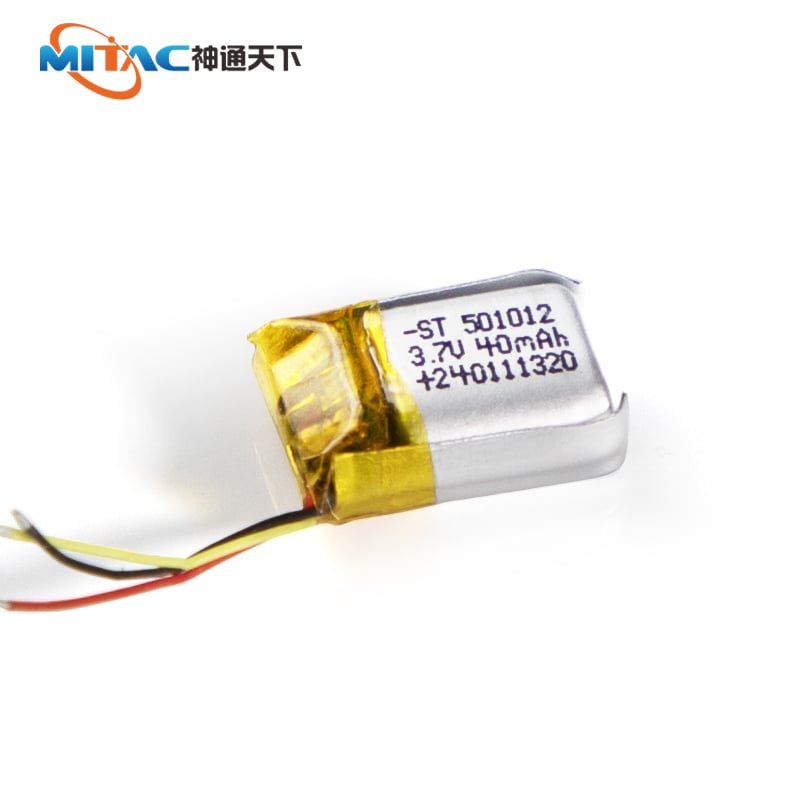
When we talk about wearable devices, we think about things like smart watches, fitness trackers, and even smart glasses. These gadgets help us track our health, communicate, and stay connected. But one important part of these devices is their batteries. Without good batteries, wearable devices won't work well. That's where energy density comes in. Energy density is how much energy a battery can store in a certain amount of space. A higher energy density means that the battery lasts longer and can power the device better. At Mitacbattery, we focus on making batteries that have high energy density to improve the performance of wearable devices.
How High Energy Density Enhances Wearable Device Performance
High energy density helps wearable devices work better in several ways. First, when a battery holds more energy, it means that the device can run longer without needing to be charged. For example, if a smartwatch has a high energy density battery, it can last days or even weeks on a single charge. This is great for people who are always on the go and don’t want to worry about plugging in their devices all the time. More energy also means that the device can do more tasks. It can run apps, track workouts, and connect to the internet without slowing down. Imagine a fitness tracker that can monitor your heart rate while playing your favorite music. A battery with high energy density makes that possible.
Another benefit is that high energy density batteries can be smaller and lighter. This is super important for wearable because they are meant to be worn comfortably. If the battery is tiny, the whole device can be sleek and fit nicely on your wrist or in your pocket. Think about how annoying it would be to wear a bulky smartwatch just because the battery is huge! With Mitacbattery’s focus on energy density, we design batteries that are powerful but still fit well in small devices. This way, users can enjoy all the features of their wearable without the extra weight or bulk.
Common Usage Issues with Low Energy Density in Wearable Devices
Low energy density in batteries can cause many problems for wearable devices. One of the biggest issues is that devices have to be charged often. Imagine having to charge your smartwatch every night! This can be a hassle, and many people forget to plug in their devices. If the battery runs out in the middle of a workout or an important call, it can be very frustrating. When a device doesn’t have enough power, it might also stop working suddenly. This can lead to missed notifications or not being able to track your health accurately.
Another issue is that low energy density batteries might not support all the features that users want. For example, if a fitness tracker needs to monitor heart rates, track steps, and sync with your smartphone, it needs a lot of energy. A battery that can’t keep up will limit what the device can do. People want their wearable to be smart and multifunctional, but low energy density can hold them back.
Finally, when batteries are low in energy density, they can also be larger. This can make wearable uncomfortable to wear. If you have a bulky battery inside a slim smartwatch, it could feel heavy or awkward on your wrist. At Mitacbattery, we understand these challenges. That's why we create batteries with high energy density that overcome these issues, making it easier for people to enjoy their wearable devices fully.
How Energy Density Impacts the Cost of Wearable Device Batteries
Energy density is an important term when we talk about lithium ion and lithium polymer batteries, especially those used in wearable devices like smart watches and fitness trackers. Energy density means how much energy a battery can hold in a small space. When a battery has high energy density, it can store more energy without taking up too much room. This is important for wearable devices because they need to be light and not too big. If the battery is heavy or bulky, it can make the device uncomfortable to wear.
When we think about the cost of batteries, energy density plays a big role. Batteries with high energy density often cost more to make. This is because the materials and technology needed to create them are more advanced. However, even though they are more expensive, they can save money in the long run. A battery that lasts longer between charges means users do not need to buy new batteries as often. This can help people save money over time. At Mitacbattery, we focus on making batteries that have good energy density without making them too costly. This balance is important because it helps keep the price of wearable devices affordable for everyone. So, a battery that can hold a lot of energy without being too heavy can lower costs in the long run, making it a smart choice for both manufacturers and customers.
What Makes Energy Density a Key Factor for Smart Wearable Technology
Energy density is a key factor for smart wearable technology because these devices rely on their lithium polymer batteries required to function properly. Wearable devices like smart glasses, health monitors, and fitness trackers need to run for a long time on a single charge. High energy density batteries allow these devices to work longer without needing to be plugged in. This is really important for people who use these devices every day. If a smartwatch runs out of battery quickly, it can be frustrating for the user. They might miss important notifications or not be able to track their health data.
Another reason energy density matters is that it helps make devices smaller and lighter. People want wearable technology to be comfortable and easy to carry. A bulky battery can make a device too heavy or awkward to wear. For example, if a fitness tracker had a low energy density battery, it might be much larger and heavier than it needs to be. This could discourage people from using it. At Mitacbattery, we understand that creating batteries with high energy density is essential for the success of wearable devices. It helps them be more useful and enjoyable for everyone. When users can rely on their devices to last all day, it encourages more people to use this technology. This is why energy density is not just a technical term; it is a key part of making wearable devices better and more effective for everyday use.
A Necessity for Competitive Wholesale Pricing
In the world of technology, especially in wearable devices, pricing is very important. Companies want to sell their products at prices that customers can afford. High energy density charging lithium polymer batteries can help with this. When a battery can store a lot of energy without being too big or heavy, it means manufacturers can create smarter and more efficient devices. This efficiency can lead to lower production costs, which is good for the company and the customer.
At Mitacbattery, we believe that having a good energy density in our batteries can help keep prices competitive. If a company can produce a wearable device that uses less energy, it can save money on materials and production. This means they can offer their products at a lower price. Customers are always looking for good deals, and if they see that a wearable device lasts longer and costs less, they are more likely to buy it.
Table of Contents
- How High Energy Density Enhances Wearable Device Performance
- Common Usage Issues with Low Energy Density in Wearable Devices
- How Energy Density Impacts the Cost of Wearable Device Batteries
- What Makes Energy Density a Key Factor for Smart Wearable Technology
- A Necessity for Competitive Wholesale Pricing