 EN
EN

Berita
Cara Memilih Bateri Litium Polimer Kecil: Panduan Lengkap untuk Mengelakkan Jebakan
Dengan popularisasi pantas peranti pintar yang dipakai, fon telinga TWS dan terminal kecil lain, bateri litium polimer berbungkus lembut aluminium-plastik berukuran kecil telah menjadi komponen bekalan kuasa utama bagi produk elektronik ringan.
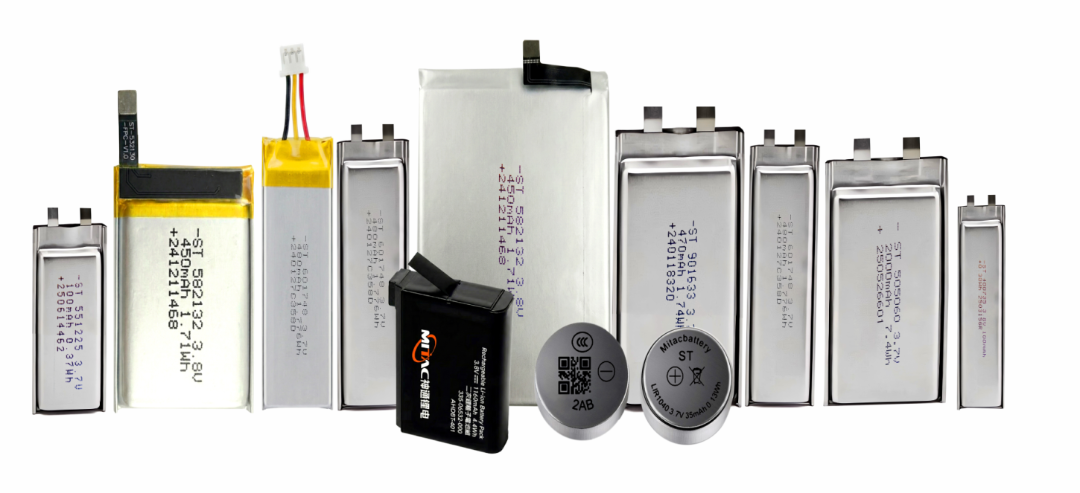
Namun, semasa pemilihan model sebenar, ramai kakitangan R&D dan pengadaan kerap menghadapi isu seperti dimensi yang tidak sesuai, ketidaksesuaian voltan, tuntutan jangka hayat bateri yang dibesar-besarkan, penurunan kuasa yang ketara pada suhu rendah, serta pembengkakan atau kerosakan awal sel bateri.
Jadi, bagaimana anda harus memilih bateri untuk mengelakkan jebakan biasa?
I. Utamakan Skenario Aplikasi Peranti Daripada Parameter Mentah
Langkah pertama dalam pemilihan bateri bukanlah terus melompat kepada kapasiti dan dimensi. Anda mesti terlebih dahulu mengesahkan skenario operasi peranti anda. Tuntutan penggunaan kuasa berbeza secara ketara di antara pelbagai terminal kecil, dan merujuk secara buta kepada parameter sel umum hanya akan meningkatkan kos percubaan dan ralat.
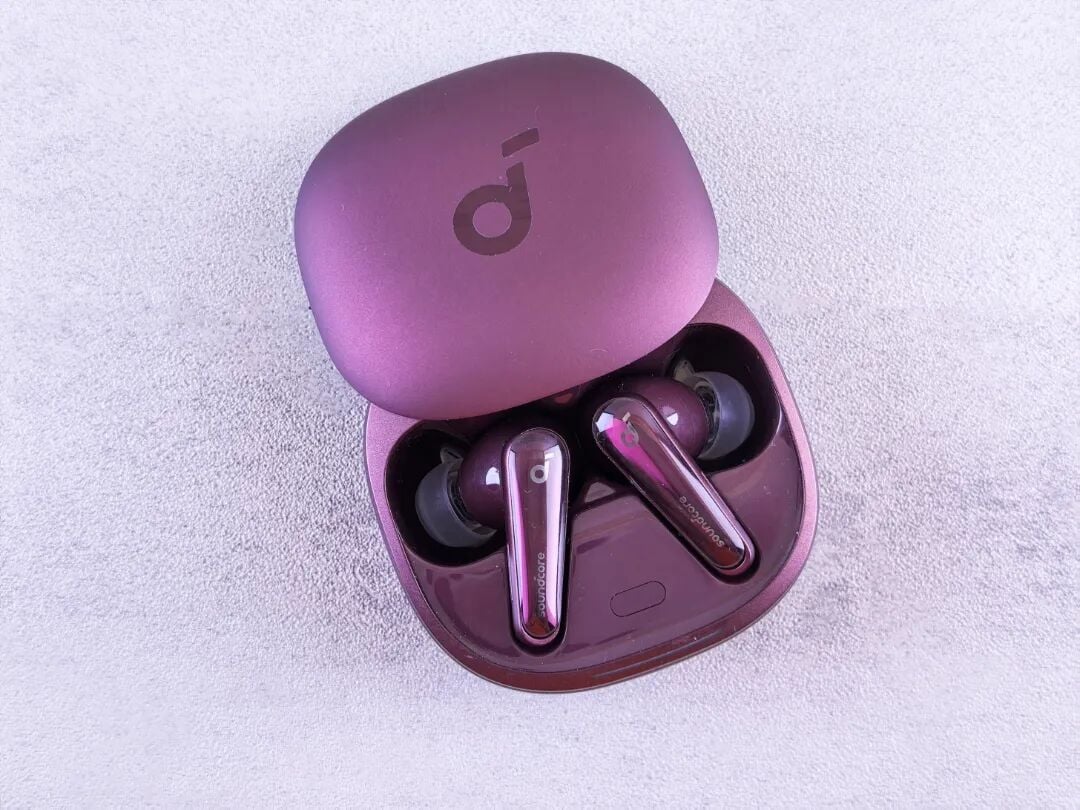
- Fon Telinga TWS & Kotak Pengecas : Ciri-ciri ini mempunyai rongga dalaman yang ringkas dan beroperasi terutamanya dengan penggunaan kuasa yang rendah untuk tempoh siaga yang panjang, tanpa memerlukan pelepasan arus tinggi.
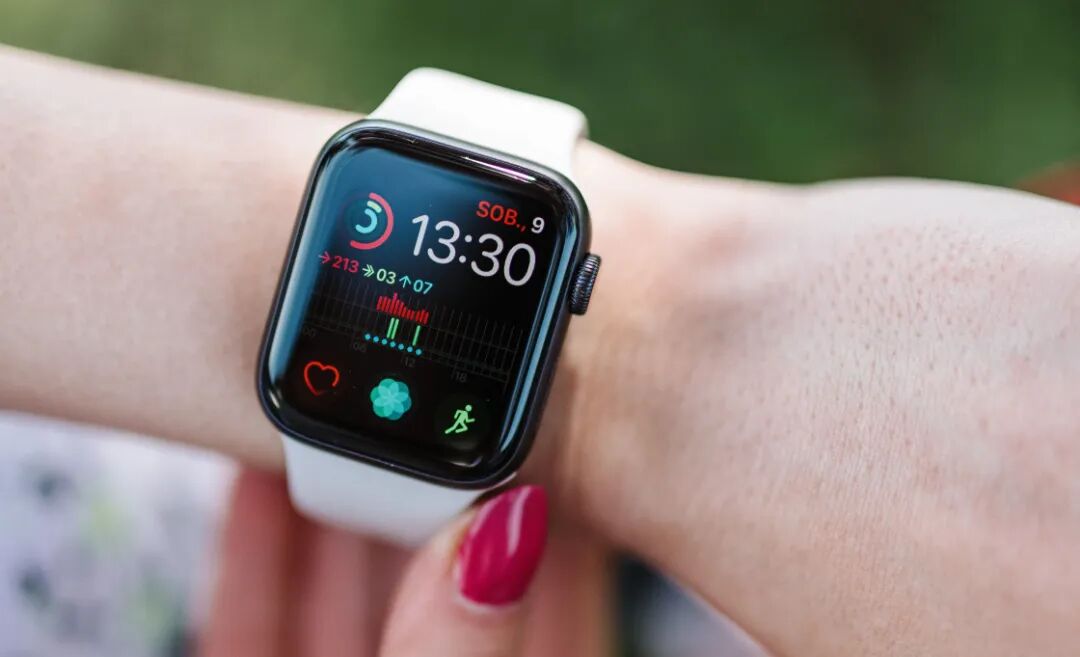
- Tali Pintar & Jam Tangan Pintar : Ini adalah peranti pakai yang ketat dengan keperluan kawalan haba yang ketat. Pilih sel polimer bersaiz kecil dengan rintangan dalaman yang sangat rendah dan output voltan yang stabil, lebih disukai dipasangkan dengan papan perlindungan yang dilengkapi kawalan suhu NTC.
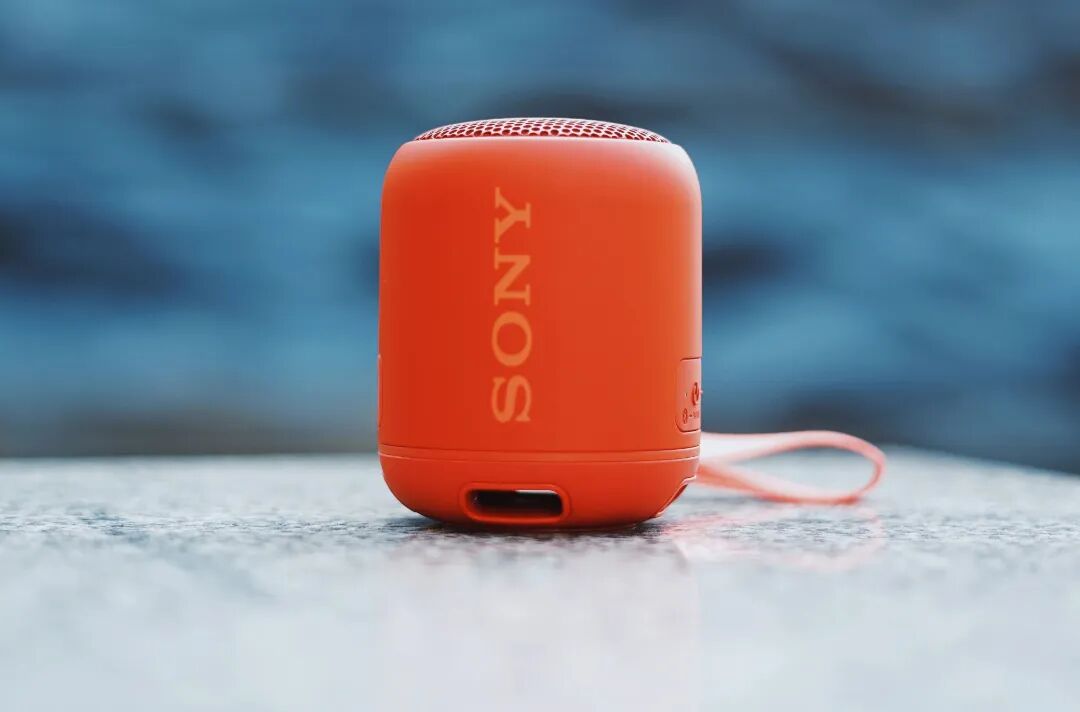
- Pembesar Suara Bluetooth Mini : Pembesar suara menghasilkan arus seketika maksimum semasa pemainan audio. Sel kadar rendah biasa sering menyebabkan jeda audio atau pemadaman kuasa yang tidak dijangka. Sel polimer jenis kuasa yang menyokong pelepasan arus tinggi secara seketika diperlukan.
- Sensor Mikro Tanpa Wayar & Alat Kawalan Jauh Kecil : Peranti sedemikian kekal tidak aktif untuk jangka masa yang panjang dengan kitaran bangun yang jarang. Sel berkapasiti besar tidak diperlukan; keperluan utama ialah jangka hayat kitaran yang panjang dan kadar pengecasan sendiri yang rendah untuk mengekalkan tenaga yang mencukupi semasa penyimpanan jangka panjang.
- Peranti Perubatan Boleh Pakai : Peranti ini mempunyai piawaian keselamatan yang paling ketat. Jangan sekali-kali memilih sel berkualiti rendah yang tidak bersertifikat. Litar perlindungan keselamatan lengkap dan sijil industri penuh adalah wajib untuk menghilangkan risiko kebocoran elektrik, terlalu panas, dan kebakaran dari sumbernya.
II. Lima Parameter Utama Diterangkan Secara Lengkap
1. Dimensi: Sediakan Kelonggaran Pemasangan; Jangan Paksa Mampatan
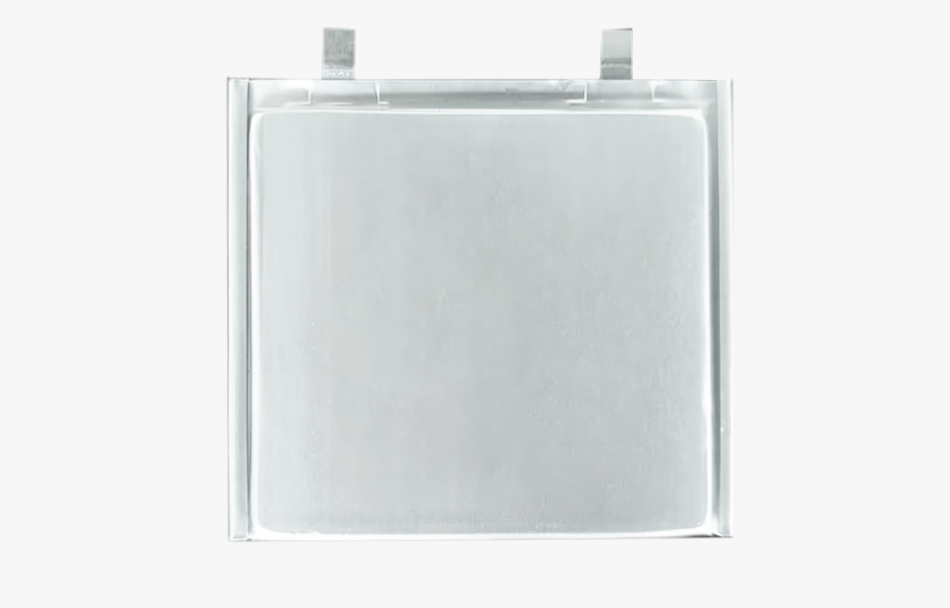
Peraturan pelabelan piawaian industri untuk bateri pek lembut kecil mengikut format: Ketebalan × Lebar × Panjang. Sebagai contoh, model 402030 bermaksud sel setebal 4 mm, selebar 20 mm dan sepanjang 30 mm.
Tip Pemilihan Praktikal: Apabila memilih dimensi sel bateri siap, sediakan jurang pengembangan sebanyak 8% di dalam rongga peranti. Pemasangan ketat sepenuhnya akan menyebabkan kerosakan akibat mampatan.
2. Voltan: Patuhi Standard 3.7V Litium Kobalt / Sistem Ternari Bernikel Tinggi
Bateri litium polimer kecil secara seragam menggunakan sistem 3.7V, dengan voltan pemotongan cas penuh sebanyak 4.2 V. Kompatibel dengan 90% peranti utama seperti earbud, jalur pintar, dan peranti digital kecil, sistem ini menyeimbangkan ketumpatan tenaga tinggi dan saiz yang ringkas, menjadikannya standard universal untuk terminal bersaiz kecil. Litar bagi sistem voltan berbeza tidak kompatibel; oleh itu, sentiasa semak spesifikasi bekalan kuasa papan utama peranti anda semasa membuat pilihan.
3. Kapasiti: Patuhi Had Kapasiti Isipadu dan Perhatikan Label Kapasiti yang Dibesar-besarkan
Ramai pembeli secara buta mengejar kapasiti yang lebih tinggi, namun setiap saiz sel mempunyai had maksimum kapasiti tetap. Sebarang nilai yang melebihi julat piawai industri hampir pasti dilabelkan secara palsu.
Rumus Pengiraan Jangka Hayat Bateri yang Mudah: Jangka hayat bateri ≈ Kapasiti bateri berkadaran ÷ Arus operasi purata peranti. Selepas pengiraan, sediakan jarak kapasiti sebanyak 10%–20% untuk mengimbangi kehilangan litar dan pelepasan sendiri statik.
4. Prestasi: Kadar Pelepasan & Rintangan Dalaman untuk Menilai Kualiti Sel
(1) Kadar Pelepasan: Padankan Arus Puncak Peranti untuk Mencegah Mati Lampu Secara Tidak Dijangka
Kadar pelepasan merujuk kepada keupayaan sel untuk mengeluarkan arus seketika. Sel polimer kecil terbahagi kepada dua kategori:
- Sel kadar rendah (0.2C–0.5C): Sesuai untuk peranti berkuasa rendah dengan tempoh siaga panjang, termasuk alat pendengar telinga, jalur pintar dan kawalan jauh bersaiz mini.
- Sel kadar sederhana hingga tinggi (1C–3C): Direka khas untuk pembesar suara mini dan peranti pakai yang dilengkapi motor getaran. Kadar pelepasan yang tidak mencukupi menyebabkan penurunan voltan mendadak dan permulaan semula automatik peranti semasa operasi.
(2) Rintangan Dalaman: Petunjuk Tersembunyi bagi Kualiti Sel
Bagi sel pek lembut polimer dengan spesifikasi yang sama, rintangan dalaman yang lebih rendah menunjukkan kualiti sel secara keseluruhan yang lebih baik. Rintangan dalaman yang tinggi menyebabkan pengecasan yang perlahan, pemanasan berlebihan yang ketara semasa operasi dan penurunan hayat bateri yang pesat.
5. Sistem Bahan: Sesuaikan dengan Jangka Hayat Bateri dan Keperluan Penggunaan
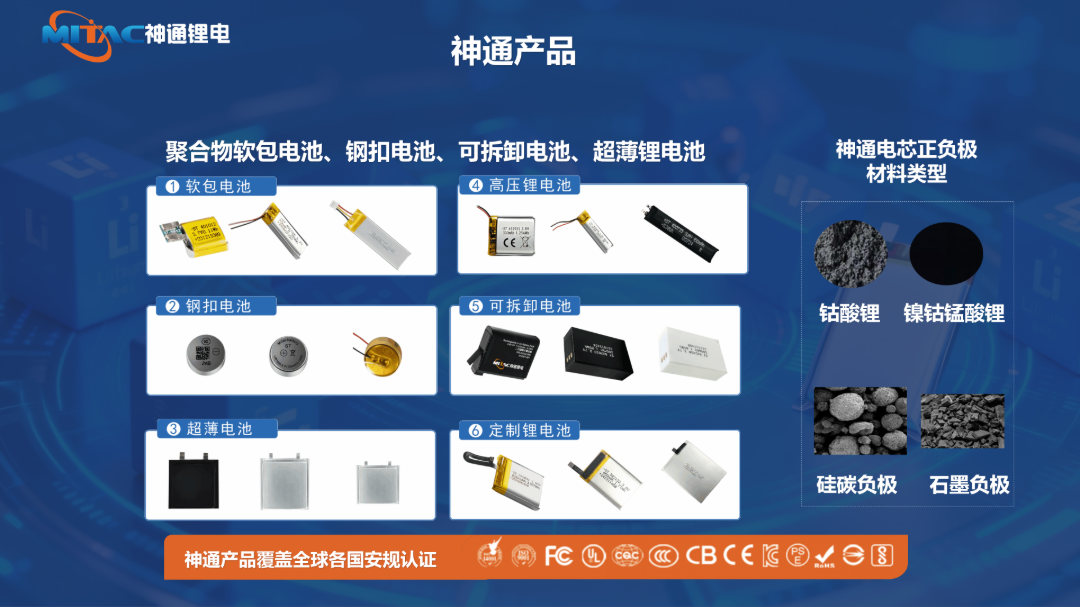
Bateri litium polimer kecil kami menggunakan dua bahan katod utama: litium kobalt oksida (LCO) dan ternari ber-nikel tinggi (NCM), dipasangkan dengan anod grafit atau karbon-silikon, direka khas untuk peranti digital bersaiz kecil.
- Sistem Litium Kobalt Oksida : Memberikan voltan diska j yang stabil dan prestasi kitaran yang konsisten, sesuai untuk peranti pakai yang berkuasa rendah seperti fon telinga TWS, jalur pintar dan alat kawalan jauh.
- Sistem Ternari Ber-Nikel Tinggi : Mempunyai ketumpatan tenaga yang lebih tinggi untuk kapasiti yang lebih besar dalam isi padu yang sama, sesuai untuk jam tangan pintar, pembesar suara mini dan peralatan perubatan mudah alih yang memerlukan hayat bateri yang tinggi. Kedua-dua jenis bahan mengikuti sistem piawai 3.7V. Pilih berdasarkan keperluan hayat bateri dan penggunaan kuasa peranti anda; elakkan mencampurkan sel yang diperbuat daripada bahan bukan teras.
III. Jangan Sekali-kali Mengabaikan Papan Perlindungan: Asas Keselamatan
Sel litium polimer tanpa pelindung tidak boleh disambungkan secara langsung ke litar peranti — papan perlindungan khusus adalah wajib. Papan perlindungan yang mematuhi piawaian mesti mengintegrasikan empat fungsi perlindungan utama: perlindungan terhadap cas berlebihan, perlindungan terhadap nyahcas berlebihan, perlindungan terhadap arus berlebihan dan perlindungan terhadap litar pintas. Untuk peranti berkait rapat seperti peranti pakai dan peranti perubatan dengan struktur tertutup, tambahkan cip kawalan suhu NTC untuk memutus bekalan kuasa secara automatik apabila suhu tinggi dan menghilangkan risiko keselamatan.
IV. Empat Jebakan Penting yang Perlu Dihindari dalam Pembelian dan Tip Penjimatan Kos
1. Tolak Sel Ultra-Rendah Kos yang Inferior
Sel ultra-murah di pasaran hampir sentiasa merupakan produk yang diturunkan tarafnya. Walaupun ia mengurangkan kos awalan, ia menimbulkan masalah jangka panjang: kebanyakan gagal dalam tempoh satu hingga dua bulan. Sel berkualiti rendah tidak mempunyai mekanisme keselamatan dan mudah mengalami kebocoran elektrik serta risiko kebakaran, sehingga meningkatkan secara ketara kos selepas jualan dan risiko keselamatan. Penjimatan jangka pendek ini tidak pernah sepadan dengan kerugian jangka panjang.
2. Mengadopsi Penyesuaian Bukan Piawai Secara Berhati-Hati; Utamakan Sel Piawai
Ramai pasukan pembelian mengejar dimensi bukan piawai yang disesuaikan untuk menepati struktur peranti. Sel bukan piawai tidak mempunyai proses pengeluaran massa yang matang, menyebabkan tempoh penghantaran yang panjang dan kesukaran dalam menambah stok. Pilih sel universal piawai kecuali jika penyesuaian saiz benar-benar diperlukan. Jika penyesuaian diperlukan, hanya bekerjasama dengan pengilang asal profesional dan terkenal yang memiliki kemampuan penuh dalam penyelidikan & pembangunan (R&D), pembukaan acuan, dan pengeluaran massa.
3. Jangan Bergantung Sepenuhnya pada Parameter yang Dicetak; Lakukan Ujian Sampel Terlebih Dahulu
Lembar data vendor hanya berfungsi sebagai rujukan, bukan asas akhir untuk pemilihan. Mohon sampel untuk diuji sebelum tempahan pukal. Metrik utama yang perlu disahkan termasuk jangka hayat bateri sebenar, penurunan voltan semasa beban, penghasilan haba semasa operasi, prestasi pelepasan suhu tinggi/rendah, dan kestabilan kitaran. Hanya teruskan ke pengeluaran pukal setelah semua sampel lulus ujian kesesuaian dalam semua keadaan operasi.
4. Utamakan Keupayaan Pengilang: Kawalan Kualiti Pengeluaran Pukal Lebih Penting Daripada Prestasi Satu Sampel
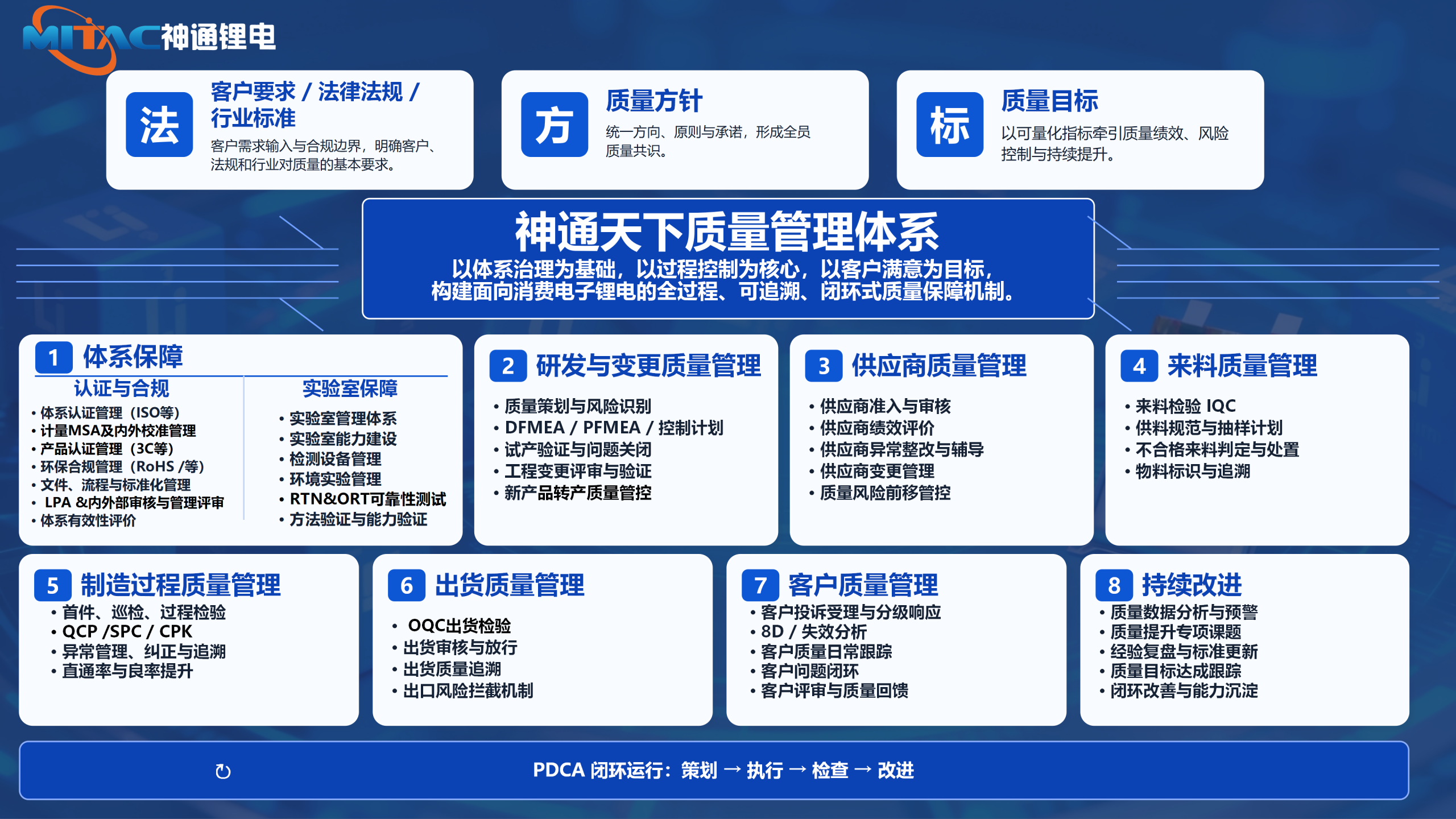
Apabila memperoleh bateri bersaiz kecil, kawalan kualiti pengeluaran pukal yang konsisten merupakan faktor penentu utama. Nilai pengilang berdasarkan tiga kriteria utama:
- Standard kawalan kualiti pengeluaran pukal yang ketat untuk memastikan parameter sel adalah seragam;
- Sijil sistem dan produk rasmi yang lengkap;
- Pasukan R&D dan kualiti yang kuat mampu mengawal pemilihan bahan mentah, proses pengeluaran dan ujian penuaan, bersama dengan kapasiti bekalan jangka panjang yang stabil.
Lembaran Rujukan Pantas yang Dipermudahkan
Gunakan panduan rujukan langsung ini untuk bateri litium polimer pek lembut kecil bagi rujukan pantas:
|
Jenis peranti |
Kriteria Pemilihan Utama |
|
Fon Telinga TWS & Kotak Pengecas |
sel ultra-nipis kadar rendah 3.7V dengan kadar kehilangan daya sendiri yang rendah |
|
Tali Pintar & Jam Tangan Pintar |
Sel ultra-nipis dengan rintangan dalaman rendah dipasangkan bersama papan perlindungan yang dikawal suhu |
|
Pembesar Suara Bluetooth Mini |
sel polimer jenis kuasa kadar sederhana hingga tinggi 1C–3C dengan haba rendah |
|
Sensor Mikro Tanpa Wayar |
Sel polimer pek lembut hayat kitaran panjang dengan kadar kehilangan daya sendiri yang rendah |
|
Peranti Perubatan Boleh Pakai |
Sijil keselamatan penuh dan perlindungan litar berbilang lapisan yang lengkap |
Kesimpulan
Kekalkan peraturan am utama ini dalam pemilihan bateri litium polimer kecil: Selaraskan spesifikasi dengan senario penggunaan, sediakan ruang dimensi tambahan, elakkan sistem voltan yang tidak sesuai, padankan kadar pelepasan daya dengan tarikan kuasa peranti, sentiasa pasang papan perlindungan, dan jauhi sel terkelupas berkualiti rendah yang murah.
Panduan ini akan membantu anda memilih bateri litium yang selamat, mematuhi peraturan dan sesuai dengan produk anda.